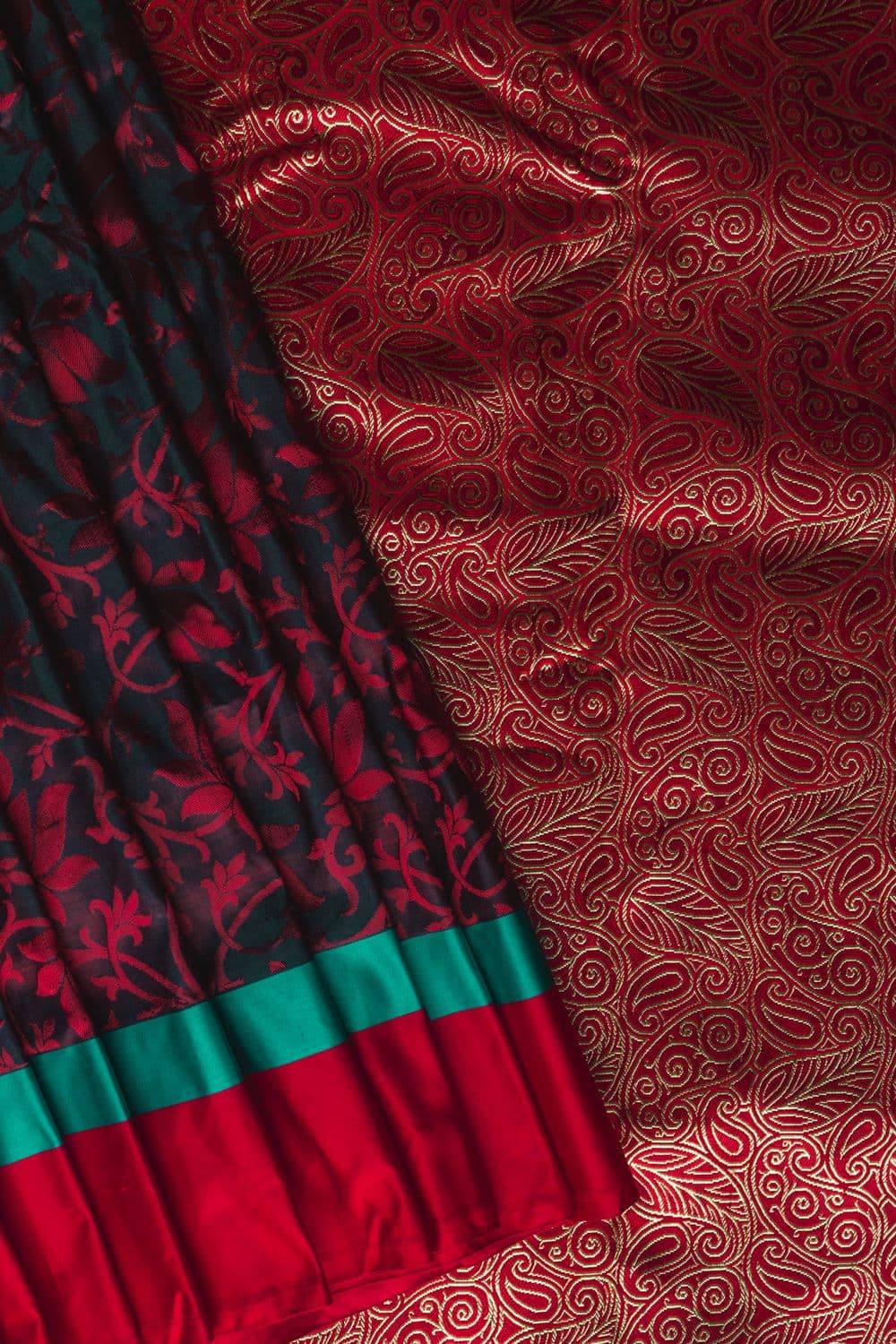
From Kanjeevaram silk to Phulkari embroidery, a quick tour of the garments that define India's regional identities.
India's textile traditions are as varied as its geography. Nearly every state carries its own draping style, weave, or embroidery technique, shaped over centuries by climate, craft, and custom. What follows is a short tour of a few defining silhouettes, not an exhaustive catalogue, but a starting point for understanding why Indian dress looks so different from one region to the next.
North India
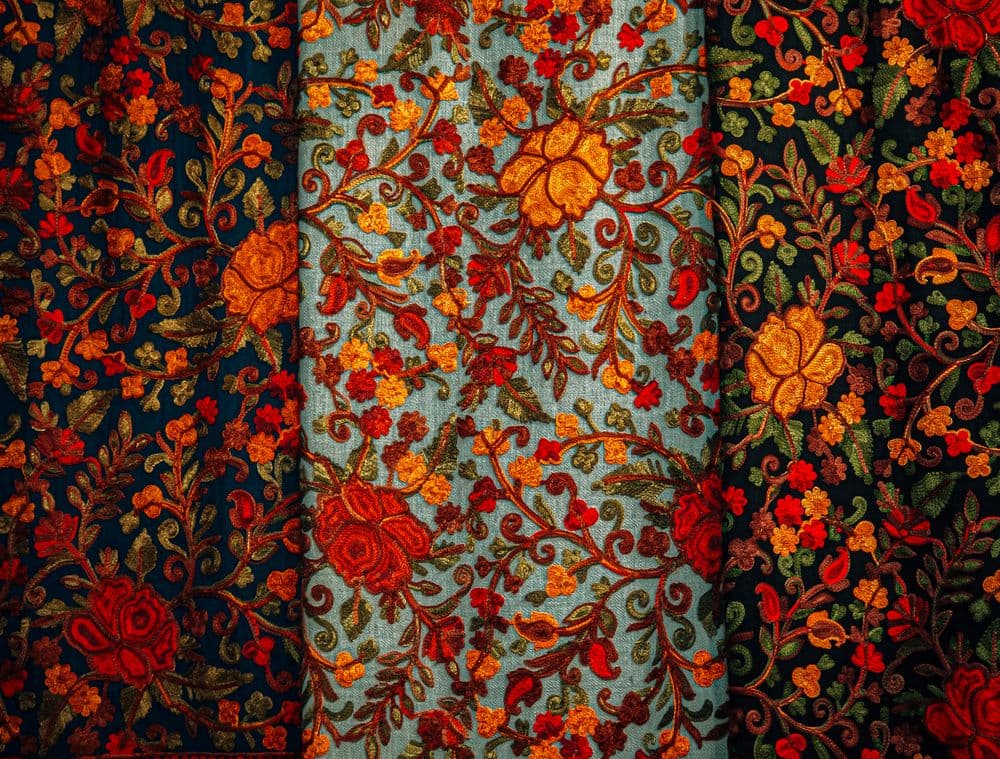
In Punjab and much of North India, the salwar kameez remains the everyday staple, often finished with Phulkari, a vibrant floral embroidery worked in silk thread on cotton. For formal occasions, men traditionally turn to the sherwani, a long tailored coat worn over a kurta, especially at weddings.
Western India
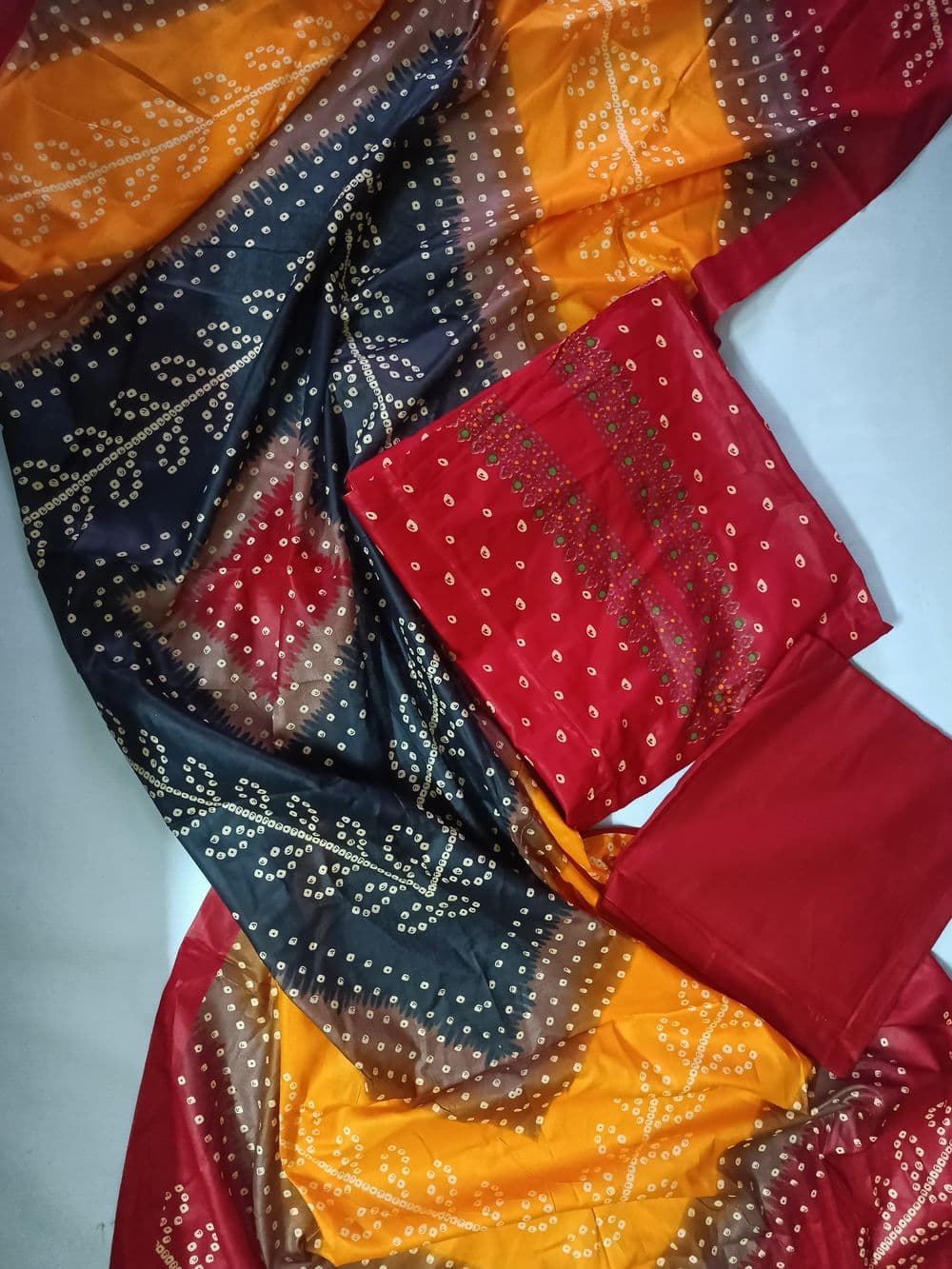
Gujarat and Rajasthan are known for Bandhani, a tie-dye technique used on everything from dupattas to full lehengas, alongside mirror work and vivid colour blocking. In Maharashtra, the Nauvari saree, nine yards long and draped in a distinctive dhoti-style, was traditionally worn for ease of movement, a legacy of its practical, work-ready origins.
South India
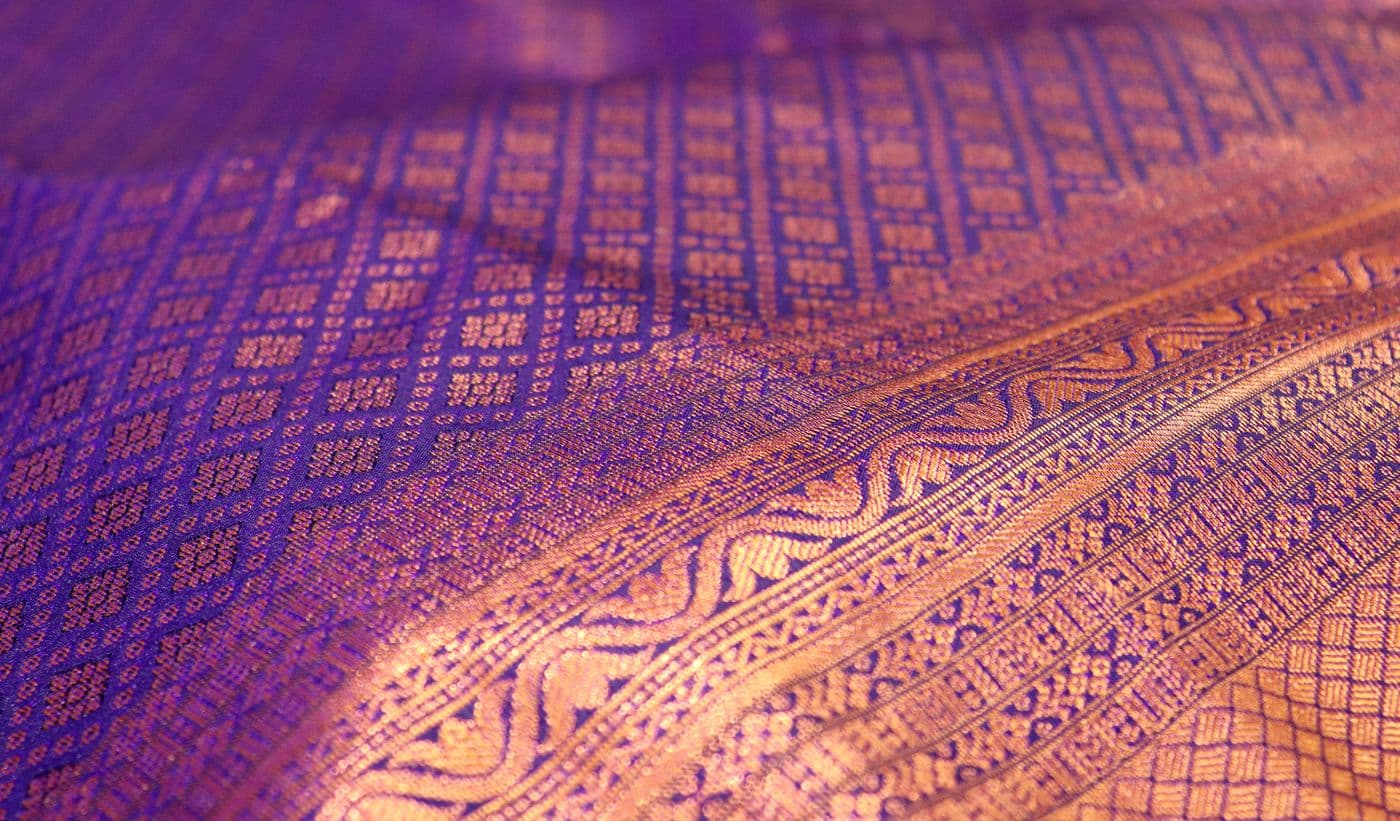
South India's signature is the Kanjeevaram silk saree from Tamil Nadu, woven with real gold and silver zari and prized for generations as bridal wear. Men in Kerala and Tamil Nadu favour the mundu and veshti, simple draped garments in white or cream, often bordered in gold. Each state also carries its own saree drape: the Madisar of Tamil Brahmin tradition, for instance, is wrapped entirely differently from the more familiar Nivi style.
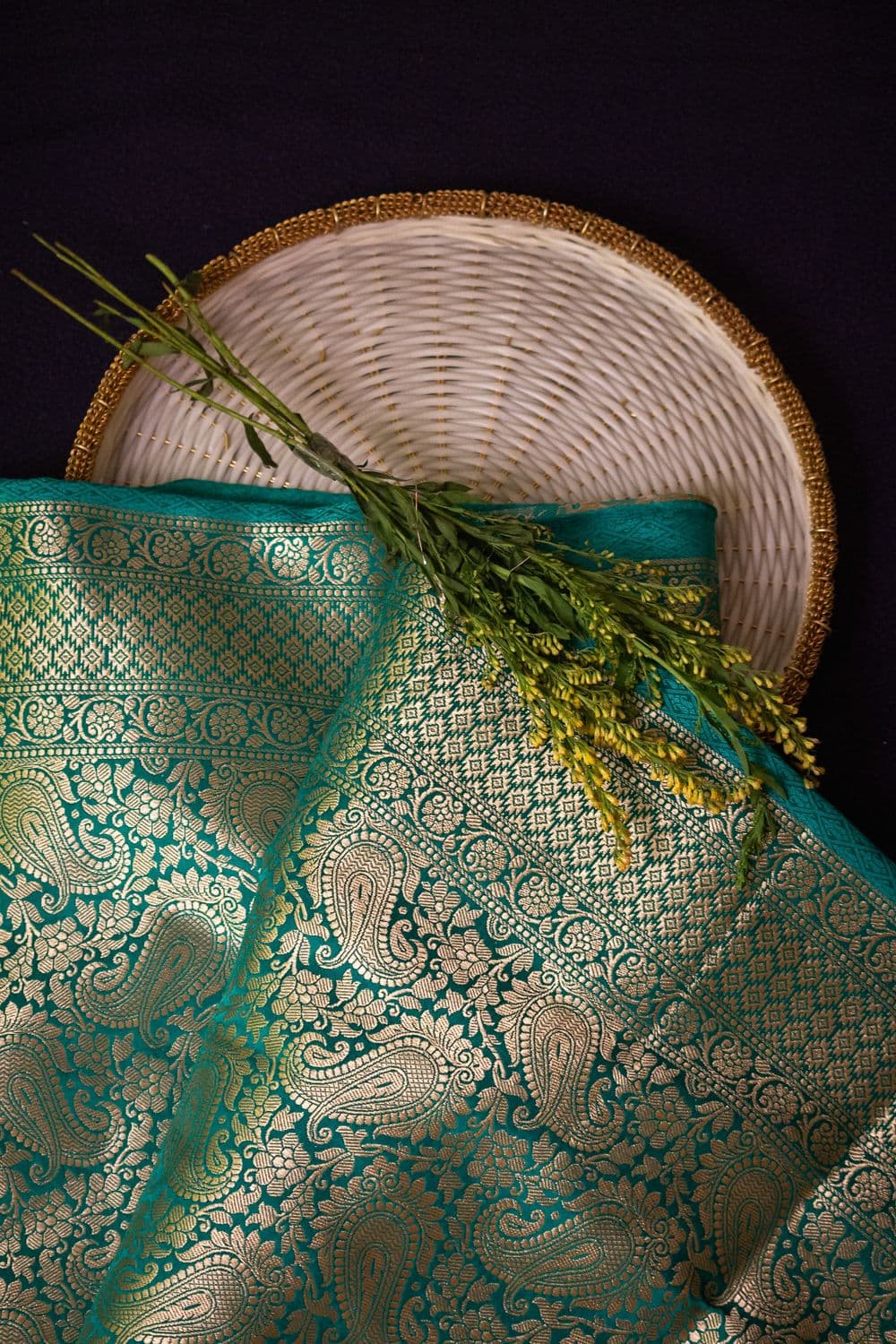
Eastern India
In West Bengal, the traditional saree is worn with a distinctive red-and-white border and draped without pleats at the front. Odisha is known for Sambalpuri ikat, where the pattern is dyed into the thread before weaving. Further east, in Assam, the Mekhela Chador, a two-piece drape in handwoven silk, remains a defining garment for formal occasions.
Our Craft
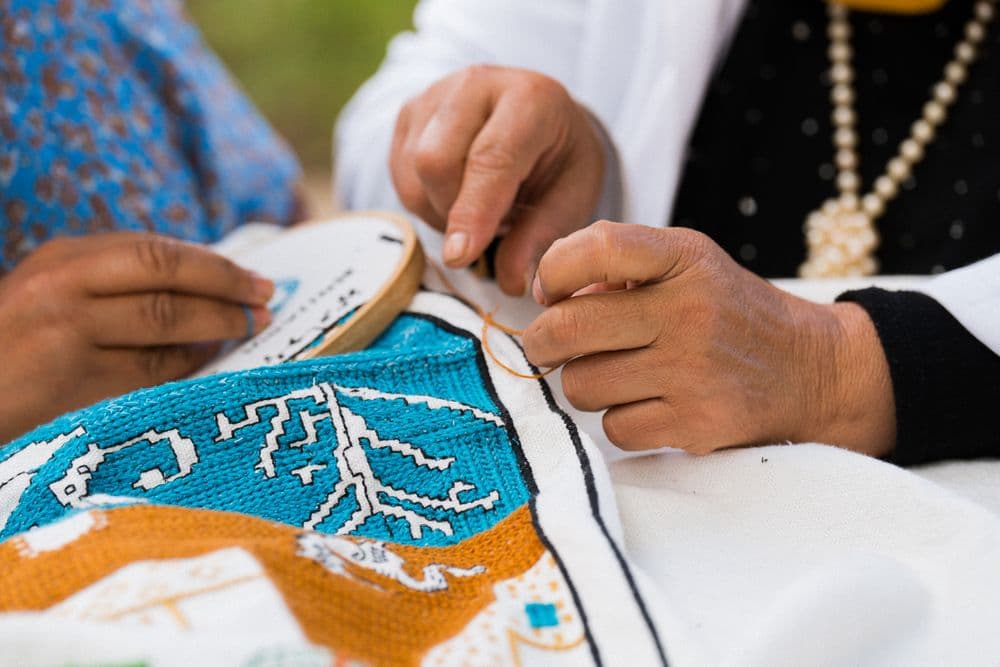
These traditions are the foundation our own work draws from. Every hand-embroidered piece at Swati Goel Couture is rooted in techniques passed down through exactly this kind of regional craft.
“Understanding where a motif or drape comes from is, we think, part of what makes wearing it meaningful.”
Curious how a piece like this comes together?
Explore the Collections